
Incredibox Mod
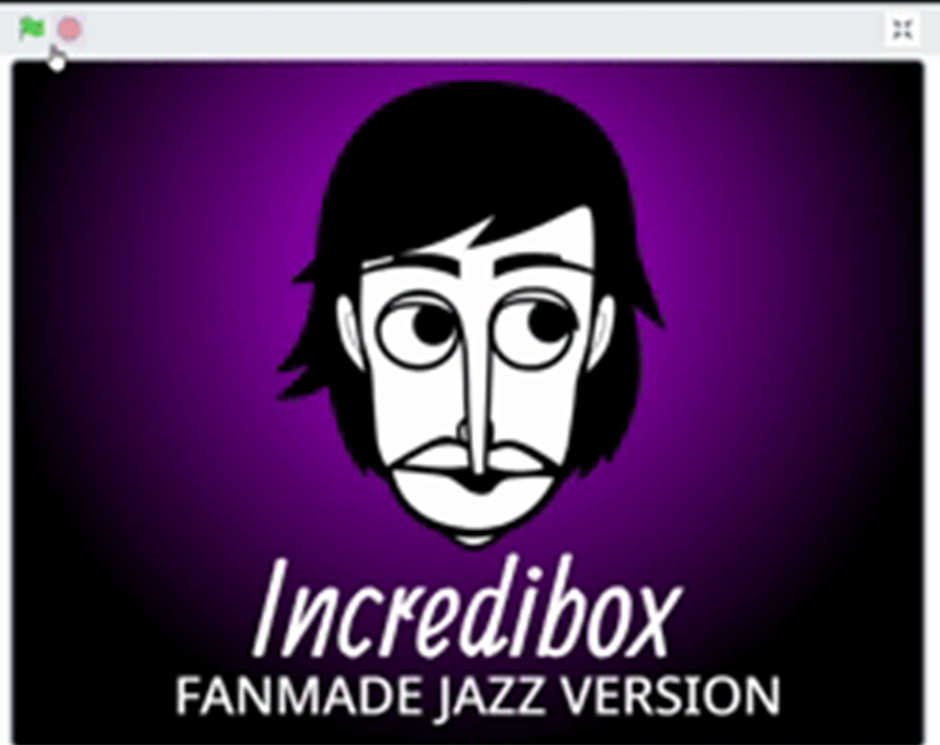
My project is an incredibox mod made using a Scratch Template
Project Details
Incredibox is a music making game where the player drags and drops icons representing different instruments to start various loops and create unique musical pieces. I used a publicly available Scratch code template that allowed me to make a ‘mod’ for this game without having to code myself, allowing me to focus on creating and editing the music.
I picked modal jazz as the genre for the project and did research to identify common elements of the genre. These included minimalist structures, use of different modes other than major or minor, simple rhythms, and reduced harmonic complexity.

I used this knowledge to write twenty 2 bar loops in my DAW (digital audio workstation) within this genre. I chose which of these I would record and began practicing.

After finishing the recordings, I started editing them, ensuring all measures played on beat, as well as sounded appropriate for the genre. For example, I recorded guitar parts on a viola, which is not a typical jazz instrument, so I created a custom jazz guitar audio effect to emulate this sound.

I uploaded these to the scratch template to ensure everything worked and began designing sprites. As these were not the focus of my project, I chose to create simple art, instruments that featured in the loops, such as guitar, keyboard, trumpet, etc. I used these as a base to create the smaller icons the player drags and drops onto the stage to play a loop.
I originally uploaded svg files, however, these did not appear to load properly when using the project, so I converted them to bitmap files. Unfortunately, this pixelated the images.


Finally, I made the project public on the scratch website and wrote the credits to include the original owner of the template, and my inspirations for the music.
Challenges
A challenge I soon encountered was that the trumpet player I had previously contacted was no longer available. This meant I had less recordings than I had originally planned to work with.
As previously stated, I also have issues regarding the sprites, and had to convert them to bitmap files.
Additionally, there are stark differences between the digital instruments, and the recordings. The final product does not have as much synergy between loops as I originally envisioned.
Successes
On top of developing skills, I also refreshed and learnt new recording techniques. There were lessons I gained from this as well, particularly when recording the flute. I hadn’t recorded this instrument before, so this was a good opportunity to experiment.

I also developed my audio mixing skills, and learnt more about modifying instruments as well as how equalisers work.

I am also happy with the sprites I made. While some detail is lost, they are easy to identify, and communicate their purpose adequately.
Project Outcomes
At the end of the project, I have created an Incredibox mod using a scratch template. I achieved:
20 self-made loops - 10 recorded loops, 10 digital instrument loops made in my DAW
Matching sprites for all these loops (shakers, hi-hats, guitars, keyboard, etc.)
Refreshed my recording skills through vocal and instrumental recordings
Expanded my knowledge of audio mixing using audio effects and equalisers
Industry Relevance

Screenshot from junior audio designer at Gameloft Brisbane

Screenshot of qualifications from Junior Audio Designer at Gameloft Brisbane

Qualifications from Sound Designer at Frogwares
Many sound designer roles, such as the ones seen above, involve live and field recording to capture sound and audio editing. This means I need to ensure I have extensive experience in the subject.
Sound designers need to be able to record their own sounds and understand how to best achieve that. This includes having expertise on different types of microphones and their uses, as well as the different techniques to use them, such as AB and XY setups.
They must also have knowledge of DAWs and how to use them to manipulate, cut, and edit existing audio.
This project has allowed me to demonstrate basics of live recording, as well as my knowledge of DAWs, their plugins, and audio editing.
Reflection
While this project was scoped appropriately, I should have focused on one skill. The differences in recordings and digitally made loops are stark, even after mixing. Synergy is difficult to achieve when using both kinds of loops at once, and it makes the music feel out of place.
When I was made aware the trumpet player would no longer be available, I should have pivoted to focusing on digitally made loops, and mixing those, rather than having half of the loops be different.
Should I attempt this project again, I would adjust my time to ensure that I had enough time to capture all recordings and focus on developing that skill. This would have also granted me more opportunities to use more microphone techniques and demonstrate my knowledge of cardioid microphones.